Belonging Otherwise← belongingotherwise.org

Journeys of Exile · Story 01

Windows of Home

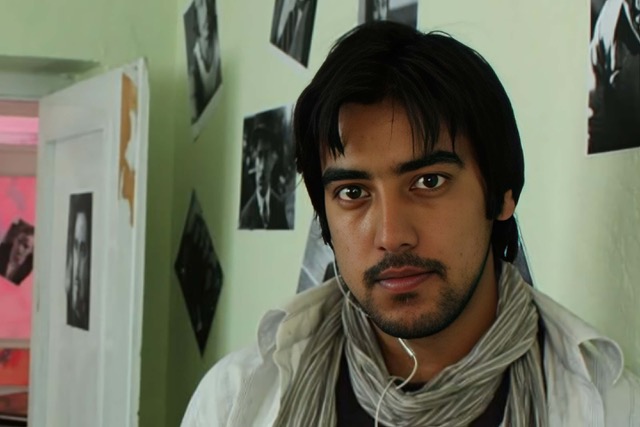
Jalal Hussaini

MashhadKabulBerlinHamburg

scroll — the map follows the journey ↓

Opening visual — roads, light, and movement

intro

Windows of Home

A filmmaker and father maps a life lived across Mashhad, Kabul, Berlin, and Hamburg.

I have been told that I was born as an immigrant, but I do not remember anything myself.

Home keeps changing shape: a courtyard, a ruined street, a camp hallway, a phone screen, a city where my children sleep. I have lived across borders long enough to know that home is not one place, but a series of windows I keep looking through.

Photo: Atmospheric image, AI-generated. See /credits.

1988

A Date That Followed Me

One passport error turned into a lifelong shadow.

My birthday has many versions. I was born in 1988 in a hospital in Mashhad, where my family lived as Afghan refugees.

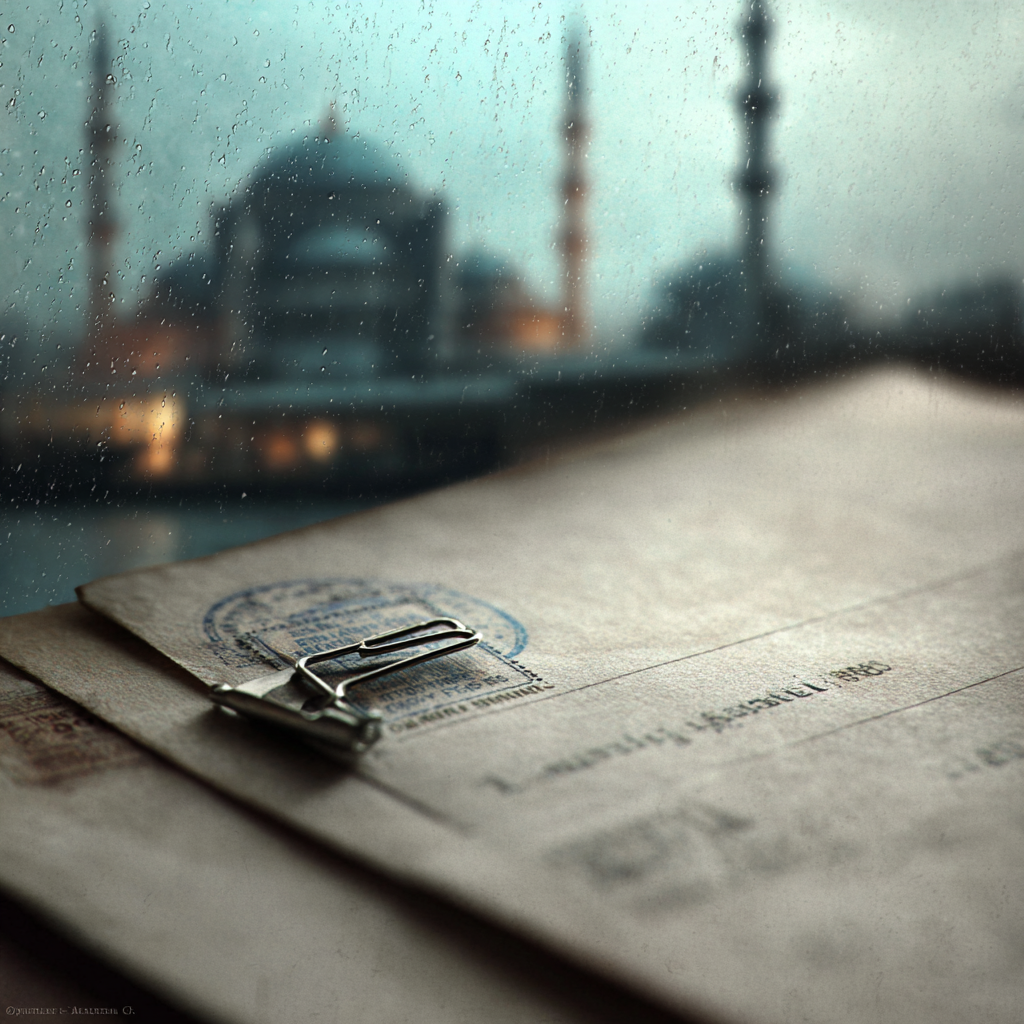
Over time, my date of birth was changed by different people. April 1, 1988 is the date a relative wrote down through a mistaken correction at a Kabul passport office. It has remained in all my passports ever since — a typo that became part of my identity.

Identity as paperwork

Photo: Atmospheric image, AI-generated. See /credits.

early 1990s

Saffron, Sugar, and Shiraz

Childhood in Iran meant work, family closeness, and early lessons in return.

My mother sometimes took small jobs to help the family. She would bring home saffron flowers, and I helped her separate the red stigmas to earn a bit of money. Other times we broke big sugar cones into small pieces with a hammer, so people could buy them in plastic bags and have them with tea.

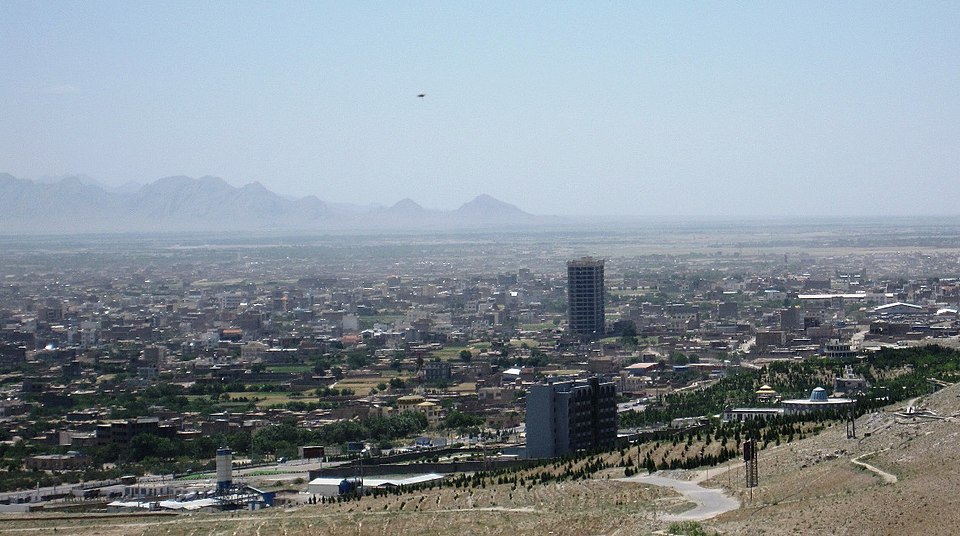
One of my earliest memories is running through a crowded bazaar in Shiraz, where my father had gone for a construction project. I got lost near a poet's tomb and somehow found my way home. Years later, when my father homesick brought us back to Mashhad, he called leaving Shiraz one of the biggest regrets of his life.

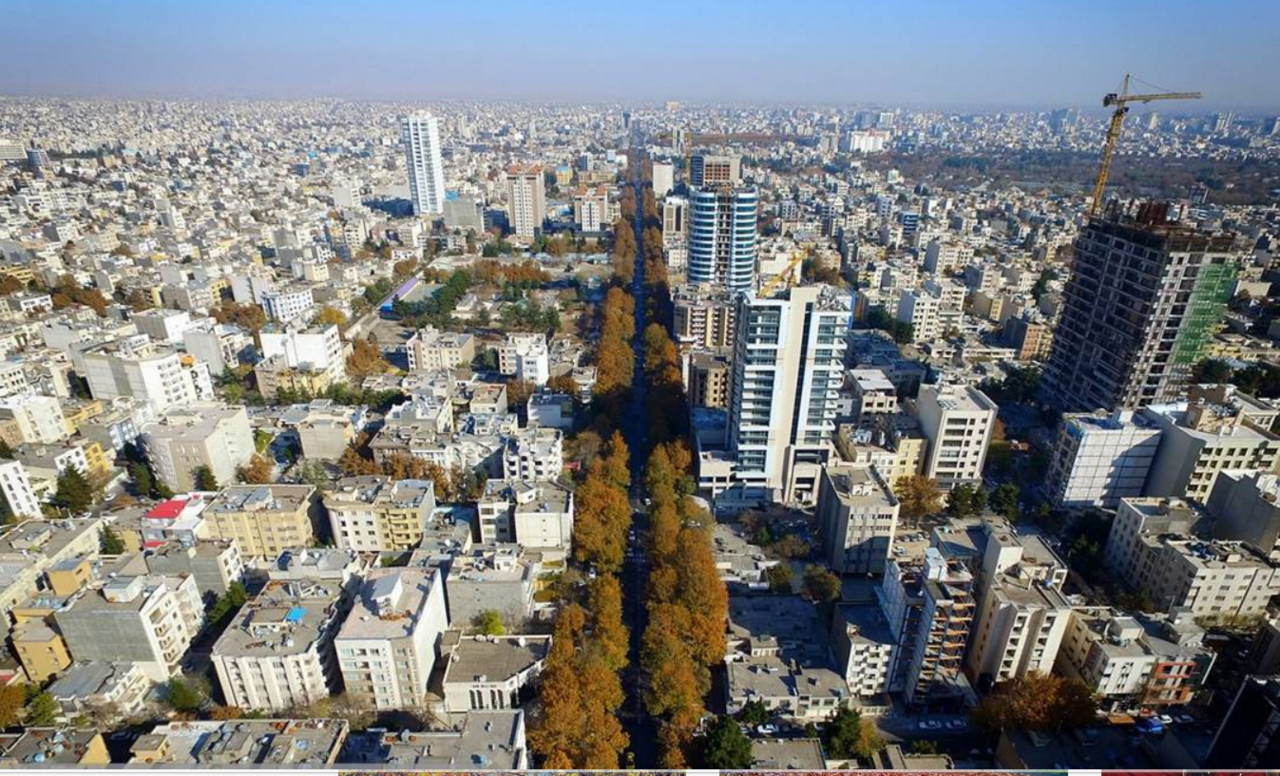
Mashhad, Iran
Mashhad, Iran

Photo: Photo by ALI0513 / Wikimedia Commons / CC BY-SA 4.0

1998–2001

Ants of Sugar

School stayed open only through bribes, and loneliness filled the days between.

Between 1998 and 2001, life became very difficult for Afghan refugees in Iran. My school stopped accepting Afghan students. My aunt, who managed most of our affairs, paid monthly bribes to public schools so I could keep studying. The fees grew. The atmosphere worsened.

The house was full of ants from the sugar dust. Our hands were yellow from saffron. Some days I skipped class. I felt intensely lonely — and that feeling grew stronger when my family decided to return to Afghanistan after the Taliban fell in 2001.

Mashhad, Iran
Mashhad, Iran

Photo: Photo by ALI0513 / Wikimedia Commons / CC BY-SA 4.0

2001–2002

Waiting to Go

My family returned to Afghanistan before I could follow them.

My family left Iran first, and I stayed behind. My uncle had once registered me as his son so I could receive a refugee identity card while my father was away, so I couldn't travel on my mother's papers.

For four months I waited for my uncle to return from the Netherlands. Sleep was a stranger to me in those months. Almost every midnight I woke from nightmares and walked until sunrise. The films I had watched were the only thing I remembered on those long walks. I imagined myself into them.

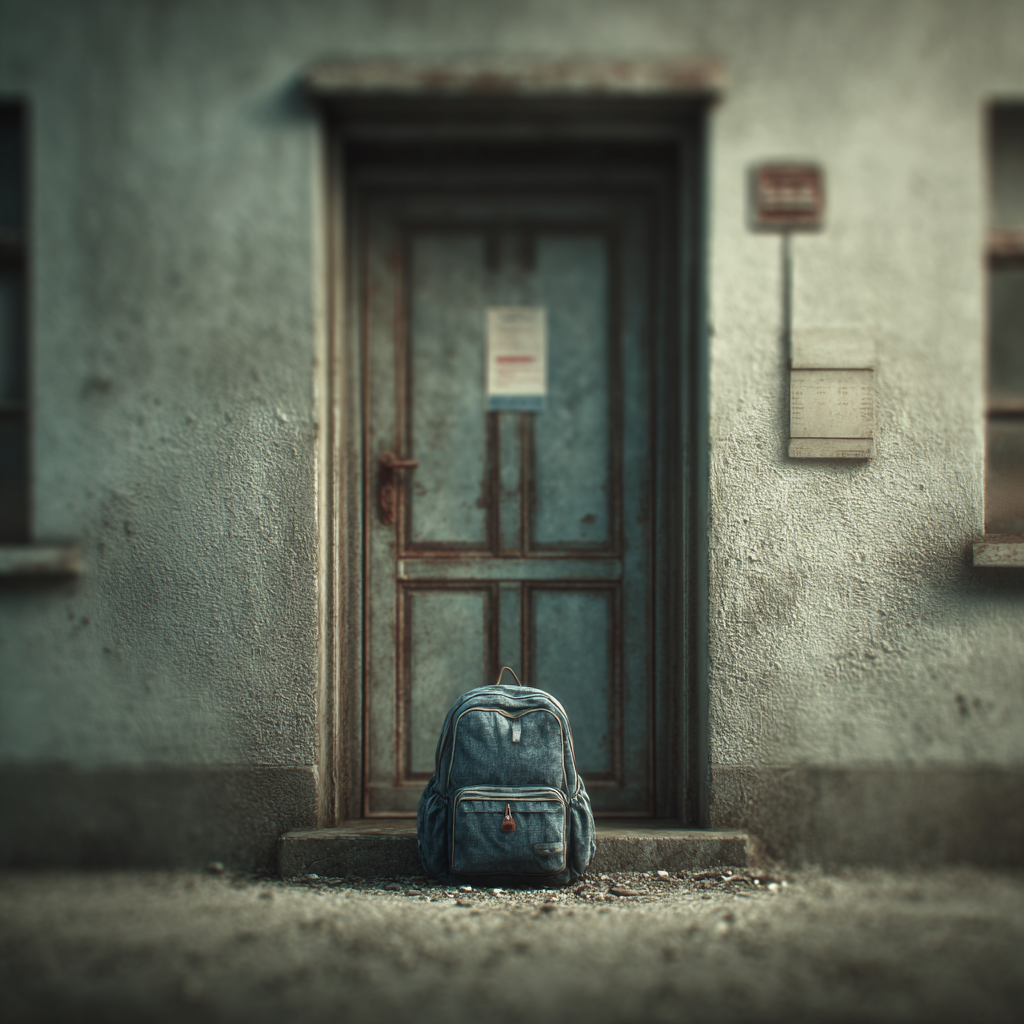
Waiting at the threshold

Photo: Atmospheric image, AI-generated. See /credits.

2002

Return Road

The road from Iran to Kabul was my first lesson in how fear travels with a family.

We crossed the border at Herat. Suddenly the roads and buildings looked older and ruined. Darkness had replaced the light, and people walked at night carrying oil lamps.

Two days later we took the road to Kabul through Kandahar. Halfway through the desert, gunmen entered the road and stopped the car ahead of us. The driver told us to bend down and pressed his foot to the gas. I caught a glimpse of a man, a woman, a child climbing out of the front car. Then my uncle's hand pressed my head down. I heard a few gunshots.

We slept that night in Ghazni, on the floor of a hall — ten minutes' walk through the dark to a toilet I never used because of the stray dogs.

Herat — first stop after the border

Photo: Public domain via Wikimedia Commons — credit pending

2002

The Blue Door

I arrived in the capital and understood war before I understood belonging.

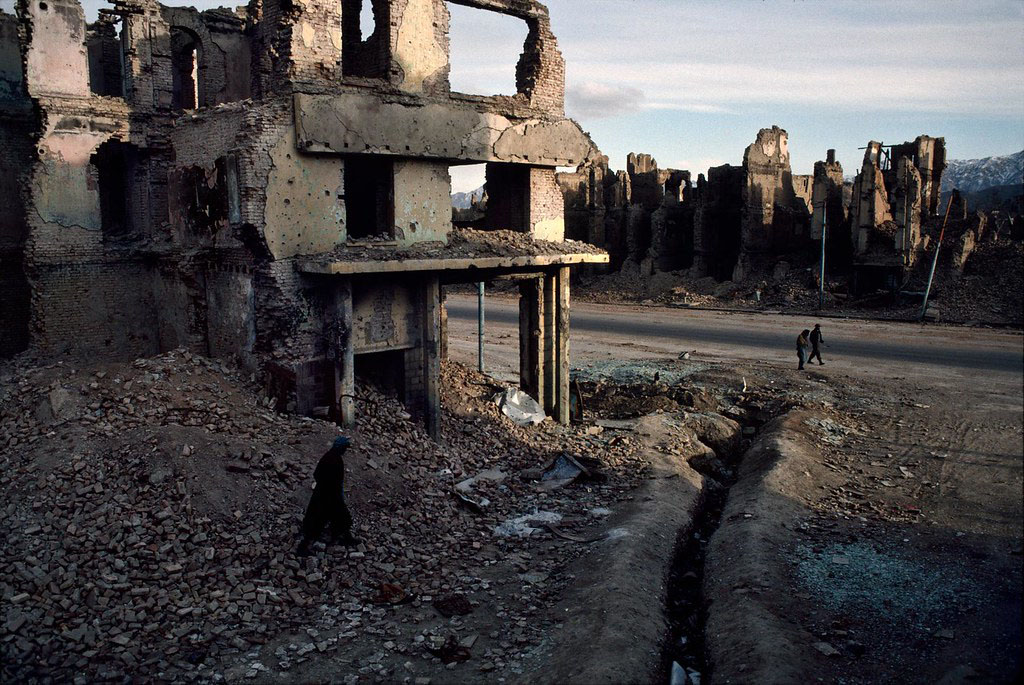
We reached Kabul in the afternoon of the next day. At that moment I realized the meaning of war. Buildings were destroyed. Roads were full of rubble. Plastic sheets stood in for doors and walls.

My uncle knocked on a blue door. After a few moments the door opened, and an old woman appeared — the same wet eyes I had seen on the bus four months earlier when my mother had left for Afghanistan. I couldn't believe she had aged that much in four months. My anger faded.

Kabul, 2002
Kabul, 2002

Photo: Public domain — credit pending

2003

Mazar, the Lonely North

In the north I learned how long a day can feel when you do not yet belong.

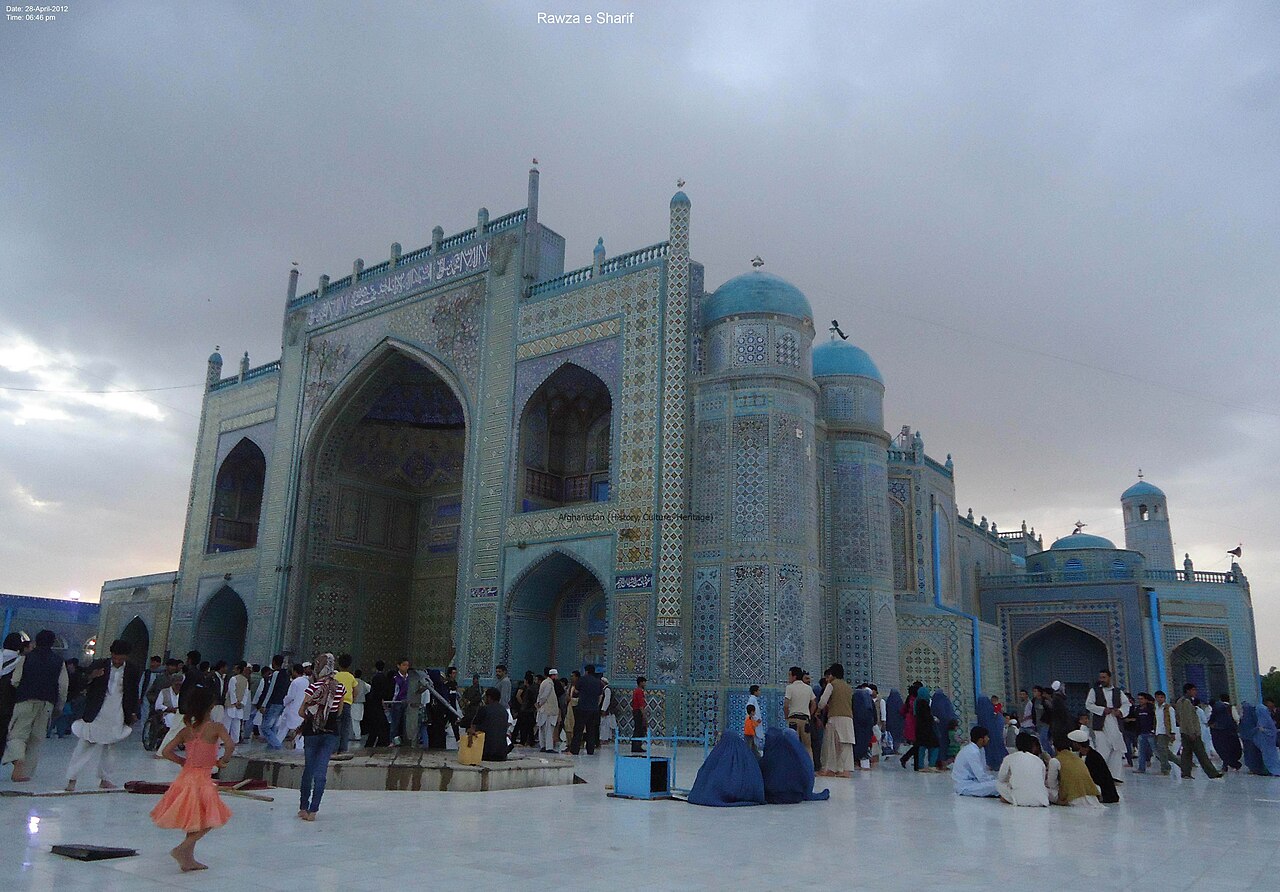
Just after I had found a few friends in Kabul, we had to leave again because of my father's financial troubles. We moved to Mazar-e-Sharif in the north. I spent the loneliest days of my life there.

My father kept changing jobs. I walked the alleys until I had no idea where I was. At school, my attention was always outside the window. The school had a small library, and I spent most of my time there. The crime novels attracted me most — stories of an inspector who traveled the world.

Shrine of Hazrat Ali, Mazar-e-Sharif

Photo: Photo by AhmadElhan / Wikimedia Commons / CC BY-SA 4.0

2003–2004

A House We Built

My father promised permanence with his hands, and I believed him.

My father used to tell me, while I sat in the shade of someone else's construction site, 'One day, while I still have strength in my hands, I will build a nice house for us too.'

He kept the promise. The two of us built our own house together. I was fourteen. The house became our home for many years. Now it is abandoned. In August 2021, the Taliban captured Mazar-e-Sharif. Nobody was there to defend it.

Family house in Mazar-e-Sharif. Built together with his father in 2003. Lost to the Taliban in 2021.

2005

Kabul University

Leaving family again, I found film, argument, and an adult self taking shape.

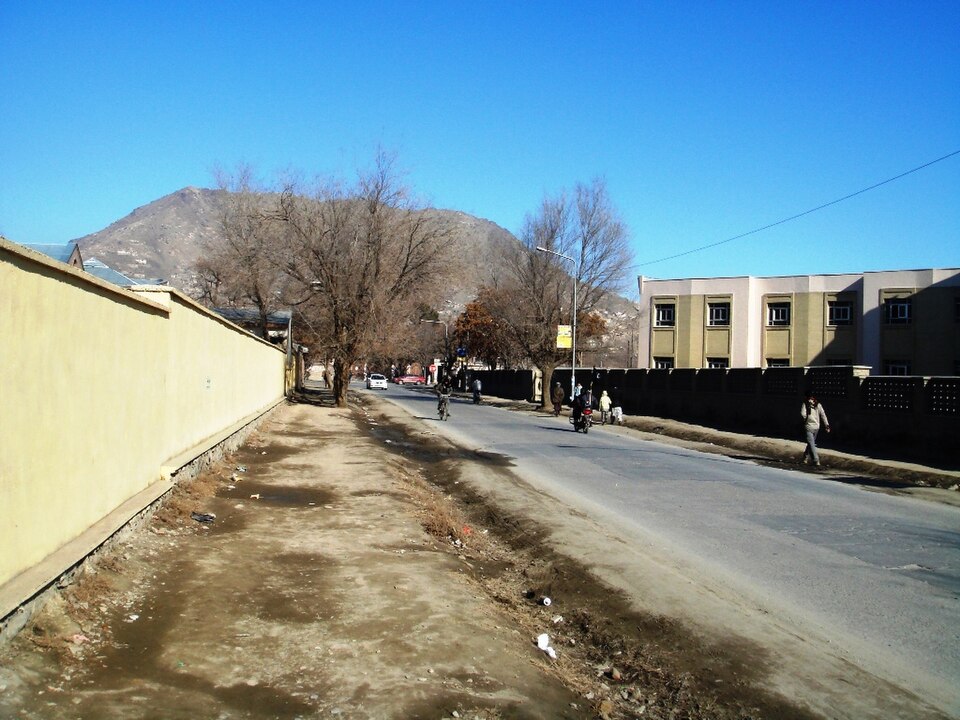
I packed my things and left my family. In 2005 I was admitted to the Faculty of Fine Arts at Kabul University. There I was introduced to The Godfather, to Hitchcock, and later to filmmakers like Abbas Kiarostami, whose films I had never seen in Iran.

I spent my time in the university archive watching films with my new friends. We called ourselves The Seven, even though there were only four of us, and one of us was barely ever there. I felt like a grown-up.

Road to Kabul University

Photo: Photo by Masoud Akbari / Wikimedia Commons / CC BY-SA 3.0

2008–2014

Cinema as a Second Language

Film gave my name a place to sit in the world.

In 2009, as I was walking down a street, an older man stopped me. He asked for my name and wondered if I had made the film Angels of Earth. 'Yes,' I replied. He began to compliment me. I had a strange feeling — it was the first time I felt that someone had heard me. I felt that I existed. I was proud to be me.

In 2012, my short film Outpost was selected for the Busan International Film Festival in South Korea. In 2013 I worked with a large German crew on a feature film, attacked several times by religious extremists, finishing scenes inside a military camp in Mazar.

Jalal in his university years in Kabul

Photo: From Jalal Hussaini's personal archive

2014

Marriage and Departure

I married in Kabul and left soon after, carrying the weight of what I could not keep.

We held a small wedding ceremony in the basement of my uncle's house in Kabul. All my friends were there, and my mother too — but my father's absence was heavier than anyone's presence.

A few months later, Laila and I came to Germany. Leaving wasn't only a change of location but a change in how I acted and spoke — a change in my personality. Leaving meant I could no longer feel the safety of my father's voice.

Wedding photo from Kabul, January 2014. Pending from Jalal.

2014

Same Person, Different Gaze

I had been to Germany before as an artist; this time I arrived as a refugee.

It was my second time in Germany. In 2011 I had come as an artist. In 2014 I arrived as a refugee.

I was the same person, yet people's behavior had changed completely. The heavy looks of others made me ashamed of myself. I felt bad for being me.

Berlin arrival, 2014. Photo pending.

2014–2016

Camp Hallway

Metal doors, crowded corridors, and survival through staying together.

The camp smelled like metal doors and languages I could not place. We did not feel safe there, not even in Germany. But Laila and I were together, and our expectations had fallen so low that a room with a tiny sink and fridge felt like fortune.

The men's toilet was always dirty, so many used the women's. I had to walk Laila there like a bodyguard. My father didn't speak to me during that first year. I missed him so much.

Refugee camp interior, Berlin period. Photo pending — sensitive sourcing required.

2017–2024

Fatherhood and the Weight of Days

In Hamburg, family life, work, and study layered memory onto the present.

My mother says my eldest son, Amir, is the mirror image of my own childhood: as thin and delicate, as sensitive and easily hurt, as deeply attached to his father. When I leave the house, he interrogates me. While I'm gone, he questions his mother until I return.

I try to keep yogurt always in the house. He eats it with everything. I refused yogurt at his age. He refuses meat at mine. At night, when the day finally slows, I sometimes miss him. I don't know if I miss him, or if I miss my own childhood — because he is so much like me. Maybe both.

Hamburg family life, present day. Photo pending.

2020

Calling My Brother

One family, two windows of reality.

Before August 2021, when the Taliban came back, I was regularly calling my family in Afghanistan. One ordinary phone call with my brother stayed with me for a long time. We were speaking to each other through two completely different windows of reality.

JALAL · HAMBURG

Hi, how are you? What is new with you?

BROTHER · KABUL

Thanks. Nothing much, just working at the Cultural Centre. Were you able to talk to Dad?

JALAL

Not really. I wanted to buy a watch for him and wanted to ask what kind he liked.

BROTHER

Right.

JALAL

I checked out a few but there was a mix of classic and modern styles. I wasn't sure if he would like them. I tried to call him but he didn't answer and then I called Mom. She wasn't available either.

BROTHER

Yeah. Thanks to the bombing of an electricity tower we are mostly without power to charge our mobiles. Anyway, Dad tried to call you that night but you didn't answer.

JALAL

Yeah I was busy putting the children to sleep. Is he there now? Can I talk to him?

BROTHER

Dad is still out but should be home any minute.

JALAL

Isn't it quite late there?

BROTHER

Sometimes he comes late.

JALAL

I got something for Mom, for Farzana, and will buy a drone for Ahmad. Mom told me little Fereshta wants watercolours. I hope she likes them. I am only waiting on Dad because I know how picky he is. Soraya is going to Kabul next week and I hope she can bring all the gifts. Do you also want something from Hamburg?

BROTHER

Not really, but thanks.

(Sound of kids running around and screaming.)

JALAL(to the kids)

Guys please go to your room. I am talking to your uncle.

Jalal’s son: Tell him to send my clock from there. The one with the lights.

JALAL

I already told grandpa.

(Sound of door shutting.)

JALAL

Sorry.

BROTHER

No problem.

JALAL

So. Are you going to the Cultural Centre every day?

BROTHER

Yes.

JALAL

What is it like there?

BROTHER

What do you mean?

JALAL

Those accidents — is it not dangerous that you go?

BROTHER

What accidents?

JALAL

Those two poor girls, your colleagues who were killed in the explosion.

BROTHER

Well it happens. What are we gonna do — we have to work.

JALAL

I guess.

BROTHER

Look, the reason I called is that I was talking to Soraya. She told me to learn German. There could be ways that she could bring me there. Do you think I can trust her? Is it even possible?

JALAL

Look, the situation in Afghanistan is so bad that everybody is hopeless. It always seems like it is the end of the road.

BROTHER

I don't have any hopes right now.

JALAL

I know. I was there. I was making films and travelled to some film festivals but when I got back to Kabul, it was the same.

BROTHER

Yes exactly.

JALAL

That is one of the reasons many people don't do anything. They don't try new ways.

BROTHER

There is no motivation to try.

JALAL

Well they are right because of everything that is going on there, but only when you act something happens.

BROTHER

Right.

JALAL

It isn't a bad idea to find a language course.

BROTHER

I actually started a few days back.

JALAL

Great.

BROTHER

I just learned a few words like er, 'she'. No 'she' is English, hmm…

JALAL

You mean 'Sie'.

BROTHER

Oh right. Sie and… Der Men, Die Frauen, Apfel, I learned.

JALAL

Great. You know, learning a language, especially something like German, seems very hard at first, maybe impossible. But one day you will wake up and find out that you can speak German.

BROTHER

Well I wish that day was tomorrow.

JALAL

It will come but not so soon. So. Where are you studying?

BROTHER

In an app. Right now it is lockdown here which will finish next week. Then I can find a course.

JALAL

What happened to your University?

BROTHER

I don't know man. I am getting paid 10000 Afghani every month at the Cultural Centre, and now my studies are all online and I am paying 10000 every month to the University. I am thinking of quitting.

JALAL

Hmmm.

BROTHER

Maybe only throwing myself on German.

JALAL

Yes. I don't know man. Both seem important. What do others do at home?

BROTHER

Others are sleeping at home.

JALAL

What happened to their University?

BROTHER

Who? Them?

JALAL

Yes — Uni and school. Weren't they going?

BROTHER

Only little Fereshte goes to school. Farzana is always at home. Ahmad is just on my nerves. In this time when it is very dangerous outside, he is out all the time. He doesn't listen to me. From morning till night he takes photos for his Facebook or Insta. I tell him: please don't go, you never know — something can happen suddenly. What are we gonna do then?

JALAL

Stupid. I talked to him also but I can't do anything from here. I also don't want to say too much that he ignores me.

BROTHER

He thinks I am his enemy. Well, what can I do when Dad couldn't do anything?

JALAL

Is Dad still out? Hasn't he come back yet?

BROTHER

No.

JALAL

Ok.

BROTHER

Ok.

JALAL

I wish Ahmad or you could have come with Mohammad, son of uncle Noor. Now all the ways are closed.

BROTHER

Who would have thought that it would become like this? Who thought that the situation would get so bad. We never thought that. Now we are stuck here and there is no way to run.

(Sound of the door.)

JALAL

What can you do now — only passing the days alive.

(Sound of the door again. It opens and kids walk inside.)

JALAL(to the kids)

Just a few more minutes and I will be there. Go play something on YouTube.

BROTHER

So… yes these are our days. What about you?

JALAL

Nothing much. We are going next week for our summer vacation. Maybe Denmark.

BROTHER

Cool.

JALAL

Yes. So I should go and cook something for the children. Just let me know when Dad is back.

BROTHER

Sure.

JALAL

Thanks and take care.
BROTHER

You too.

2021

Tearing the Album

When the Taliban returned, even family photographs became dangerous.

Photo pending
fragment 1
Photo pending
fragment 2

Days following the Taliban's takeover, the first picture I got from my family in Afghanistan was of my siblings tearing up our photo album. 'The Taliban should not get their hands on these photos!' was the comment my father wrote.

Among the pictures being torn, I recognized one of myself and my grandmother in a park. We were in exile in Iran at the time. It was her last outing before she got sick. For the rest of her life, she longed for the home she had lost. In 2002, a few days after her death, the Taliban were overthrown. She didn't last long enough to see it.

2021–2022

After the Return

The fall of Kabul closed off any simple fantasy of going back.

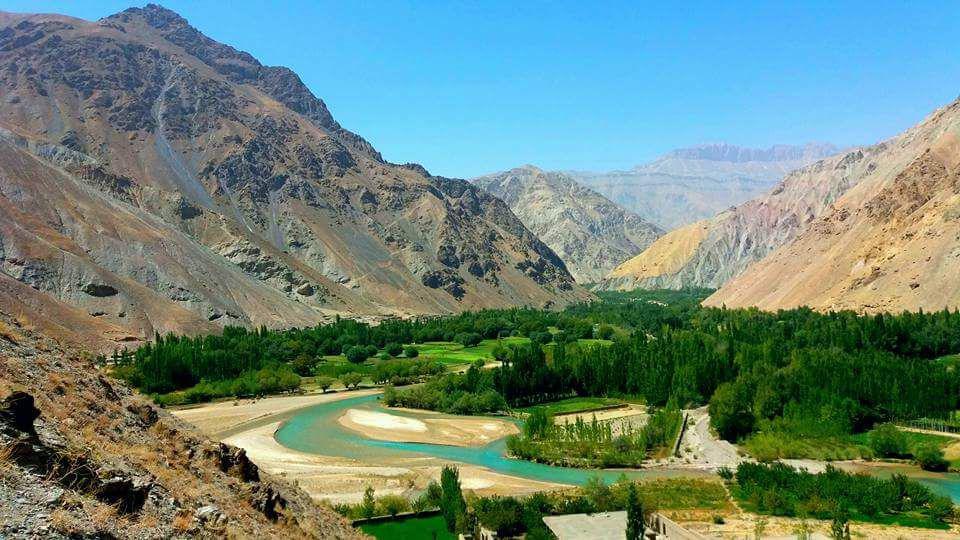
After August 2021, home became even harder to imagine as a place I could return to. My family moved again. Fear spread again. The history that had shaped us once before returned in full force to shape us again.

In September 2021, my parents arrived in Le Tréport, France. In December I saw them for the first time in many years.

Sar-e-Pol valley — the northern landscape now out of reach

Photo: Photo by Akhlaqinezhad / Wikimedia Commons / CC BY-SA 4.0

2024

Rebuilding the Album

What was destroyed in fear becomes something I can still pass on.

All I have are the pictures my family took and sent to me before they were torn up. What do I do with them?

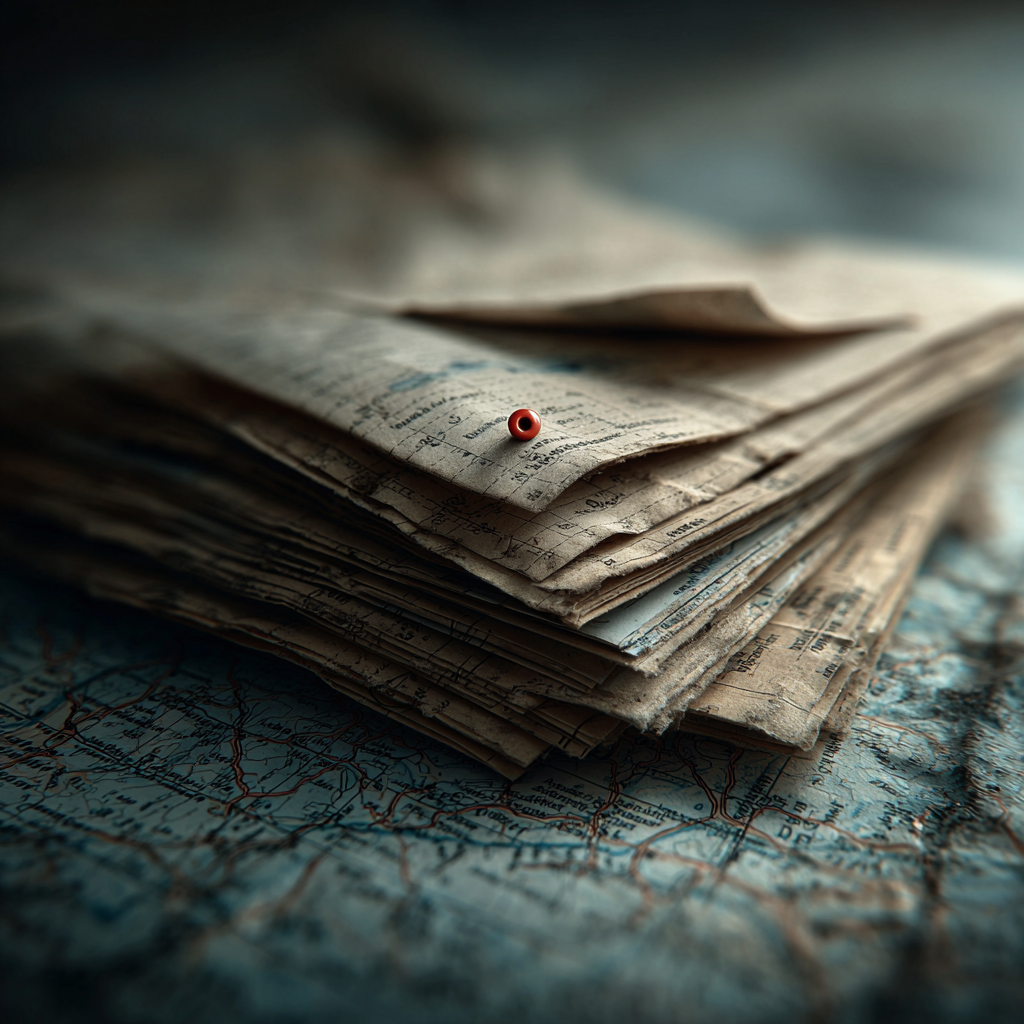
Maybe I will print them out and create a new family album — one my children can use to watch my family's story. A story about a home that has been lost again and again. The rise, fall, and resurgence of the Taliban are woven into our history. The new album will have pictures of my grandmother, my father, and me. And the picture showing my siblings tearing up the old album.

Paper memory, preserved against erasure

Photo: Atmospheric image, AI-generated. See /credits.

Closing reflection on plural homes

present

Where Is Home?

Mashhad, Kabul, and Hamburg remain inside the same question.

My heart calls for my mother. I want to hear my father's voice reciting the Quran at midnight. I miss home.

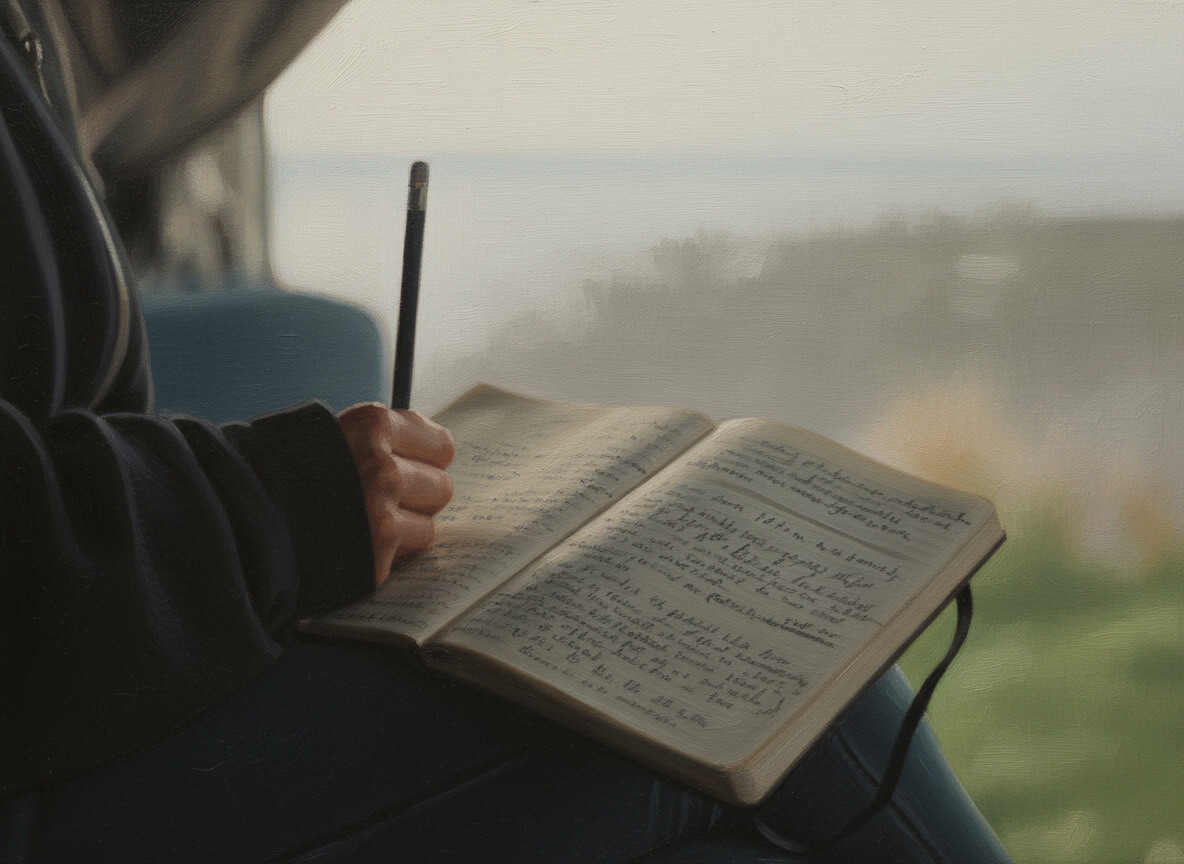
Home is a window that faces many streets: Mashhad, Kabul, Hamburg. I am still choosing where to hang the curtains. What I can do now is keep the story intact long enough for my children to inherit more than fear.

Photo: Atmospheric image, AI-generated. See /credits.

Writing as work
Writing as work

present

What You Can Do

This story asks not only for empathy, but for response.

Read Jalal's essay at Goethe-Institut and explore related work at Shuddhashar FreeVoice.

Host a reading or a screening. Use these stories for teaching. Support exiled writers and artists with your time, your attention, and your platform.

Help keep stories like this in circulation where fear would prefer silence.

Photo: Atmospheric image, AI-generated. See /credits.